ESCO: Driving energy savings
The energy service company (ESCO) model is opening up new approaches to promoting energy efficiency and conservation in Vietnam. In addition to helping businesses reduce costs and improve operational efficiency, the ESCO model promotes the adoption of modern technologies and supports Vietnam’s green growth goals. However, several challenges related to mechanisms, policies, and financing still need to be addressed to fully realize the potential of the ESCO model.
Speaking on the sidelines of the recent workshop on “Consultation on the Fund for Promoting Energy Efficiency and Conservation,” organized by the Ministry of Industry and Trade, Tran Viet Nguyen, Deputy Head of EVN’s Business Department, said that, in addition to supplying energy, ESCOs also provide solutions to help customers use energy efficiently and economically. This business model has been adopted in many countries across the United States, Europe, and Asia. China and India, in particular, have made significant advances in developing this type of business. The effectiveness of the ESCO model has been demonstrated in many countries around the world.

Tran Viet Nguyen, Deputy Head of EVN’s Business Department
ESCOs can provide a full range of services, from conducting energy surveys, assessments, and audits to proposing solutions, arranging financing, procuring equipment, and installing and handing over systems to customers on a turnkey basis. Customers specify their desired energy savings or energy efficiency targets, while ESCOs develop and implement appropriate solutions.
Customers turn to ESCOs primarily to improve energy efficiency, comply with policy and legal requirements, and reduce costs. Rather than researching technologies, selecting solutions, or securing financing themselves, customers can rely on a specialized service provider for support throughout the implementation process.
Another key benefit is access to modern equipment and technologies. Long-term energy savings often depend on technological upgrades. With their technical expertise, ESCOs can advise customers and select suitable technologies to help improve energy efficiency.
Beyond the economic benefits, ESCO solutions also help protect the environment, mitigate climate change, and promote green and sustainable development. By adopting energy-saving solutions, businesses can demonstrate their environmental responsibility through concrete, measurable actions while enhancing their corporate image and brand reputation.
Another factor that makes the ESCO model attractive is that it helps customers reduce implementation risks. Through contractual commitments, ESCOs assume responsibility for technical solutions and agreed energy-saving targets, giving customers greater confidence in using their services.
Unlocking Resources
In Vietnam, the ESCO model could be applied to almost all energy-consuming activities, particularly those involving electricity. Promising areas include street lighting; lighting systems in industrial parks, factories, and workshops; rooftop solar power systems; air-conditioning and ventilation systems; and motors used in production.
Regarding rooftop solar power, even during the initial implementation of the new pricing mechanism, EVN’s power service companies were already providing and installing systems for customers. Building on this experience, energy-consuming systems and equipment can be assessed individually to identify suitable solutions and service models.
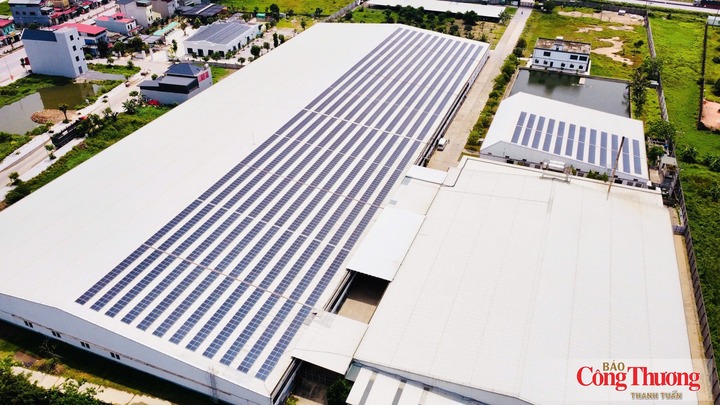
With its broad application potential, ESCO model is expected to promote energy savings, improve electricity use efficiency, and support green growth.
During the pilot phase, only a limited number of businesses have participated in the ESCO market, resulting in low customer awareness. As the legal framework is gradually refined, stronger communication efforts to explain the ESCO model, outline cooperation arrangements, and highlight its practical benefits will help raise customer awareness and promote the development of the ESCO market in Vietnam.
EVN’s representative called on the Ministry of Industry and Trade to continue supporting communication efforts and noted that access to financing remains a significant constraint. Even EVN faces limitations in allocating capital for implementation, with each pilot project receiving an investment of just over VND 1 billion.
In light of these challenges, EVN supports the establishment of the Fund for Promoting Energy Efficiency and Conservation. The fund would provide vital support by encouraging financial institutions to participate and improving businesses’ access to financing for energy-saving projects.
Expanding the ESCO model is one way to promote energy efficiency, helping businesses optimize costs, adopt new technologies, and pursue sustainable development.
Translator: Hải Yến
Share