On March 11 in Hanoi, Vietnam Electricity held the EVN Procurement Conference 2026.
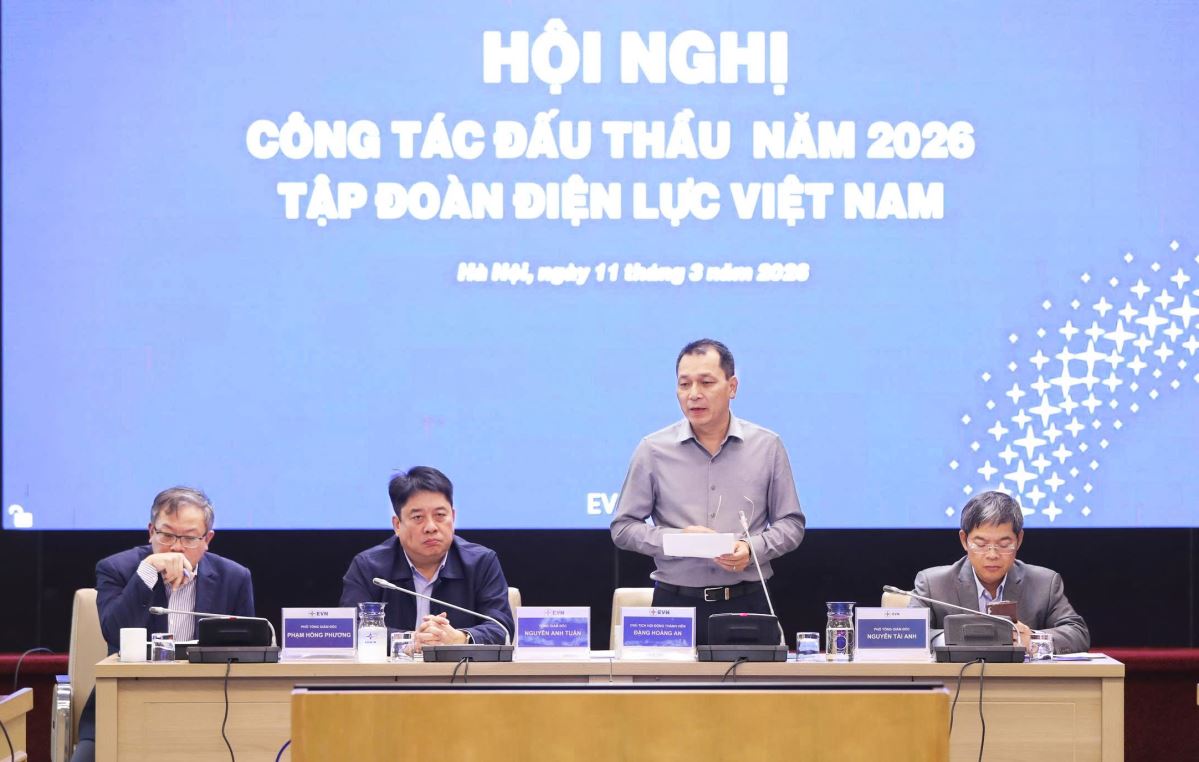
EVN Chairman Dang Hoang An (standing) delivers directive remarks at EVN Procurement Conference 2026.
“Speaking” numbers
The year 2025 recorded outstanding achievements in EVN’s procurement activities. Specifically, the Group implemented more than 21,000 bidding packages with a total contract value of VND 131,609 billion; the cost savings amounted to VND 9,734 billion, equivalent to 6.9% (compared to the planned 5%). In addition, the average bidding time was reduced to 38 days, which is 7 days faster than planned.
According to EVN’s Procurement Management Board, the key driver behind these positive results was the continuous improvement in institutional frameworks and digital transformation. Institutionally, in 2025, EVN decisively implemented a series of synchronized measures, including continuous updates to internal regulations, specialized training on the new Law on Bidding, and the standardization of bidding document templates, with a particular emphasis on implementing 100% e-bidding for all eligible procurement packages.
On the digital transformation side, the deployment of a data dashboard developed in cooperation with the World Bank (WB) enables leadership to monitor the overall situation and make real-time, data-driven decisions. In addition, the effective use of the National e-Procurement System (https://muasamcong.mpi.gov.vn) and EVN’s Procurement Management Information System (https://dauthau.evn.com.vn) has significantly strengthened governance reform.
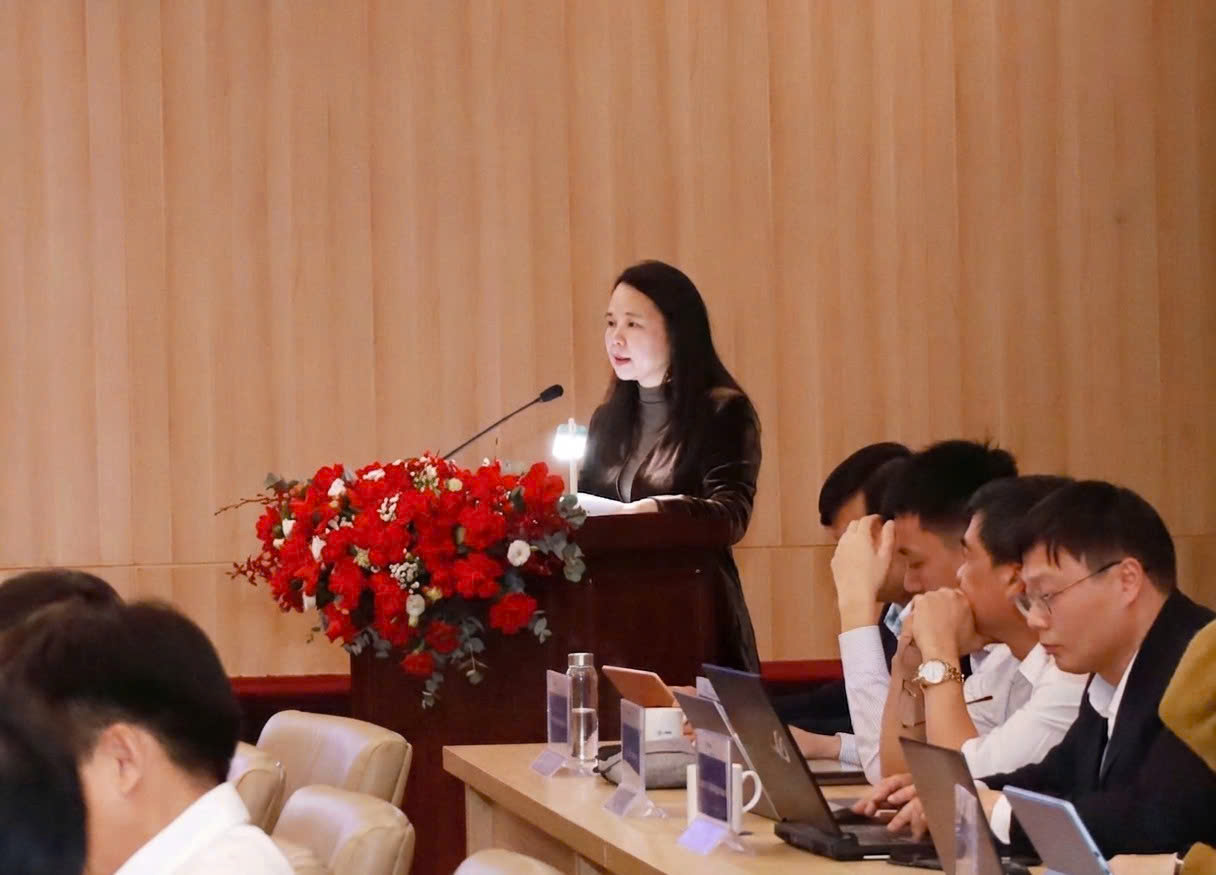
Pham Thi Thuy Ha, Head of EVN’s Procurement Management Board, delivers report at conference.
One typical example is the successful selection of the EPC (Engineering – Procurement – Construction) contractor for the Quang Trach II LNG Power Plant Project. This bidding package involves highly complex technical requirements, while the legal framework has been continuously evolving, and the global market remains highly volatile. The project is expected to supply approximately 10 billion kWh of electricity annually to the national power system, playing a crucial role in ensuring energy security and advancing the green energy transition in line with the revised Power Development Plan VIII. This success has created strong momentum for EVN to continue implementing the bidding roadmap for a series of upcoming key hydropower expansion projects, including Tuyen Quang, Se San, Son La, and Lai Chau. At the same time, it affirms EVN’s capability to implement complex projects, making an important contribution to the national goals of ensuring energy security and promoting a sustainable energy transition.
Building EVN’s own procurement ecosystem
In 2026, EVN continues to set many important targets in production and business operations, as well as construction investment. To help realize these objectives, EVN’s Procurement Management Board has developed a roadmap for procurement development based on four pillars and two strategic initiatives aimed at enhancing governance capacity and optimizing processes.
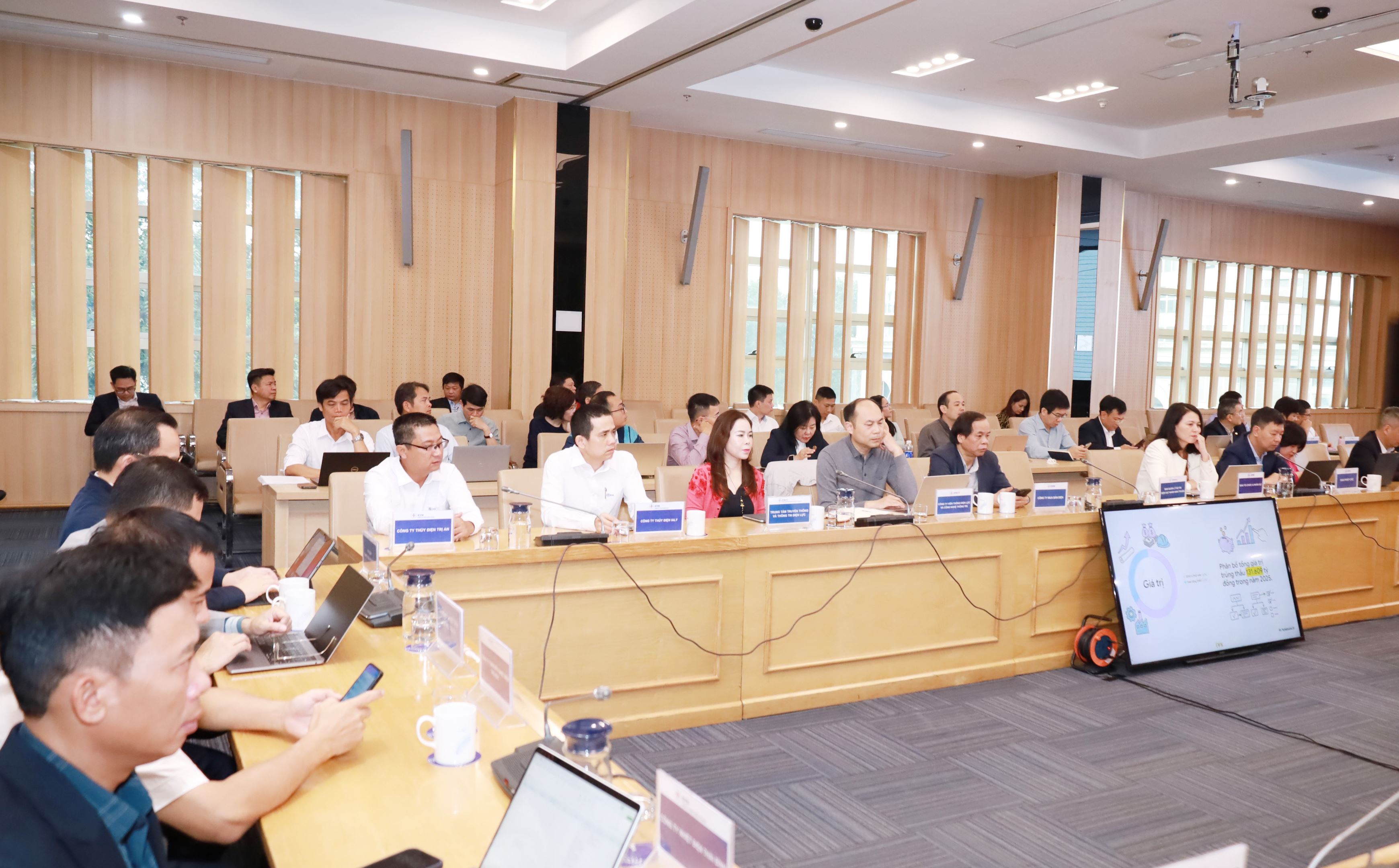
Delegates attending the conference
Regarding the four pillars: First, prioritizing investment in human resources through intensive training. Second, continuously improving the internal legal framework to flexibly adapt to changes in legislation. Third, strengthening governance and supervision to ensure integrity and transparency. Fourth, promoting digital transformation to optimize all procurement processes.
In addition, two initiatives have been proposed to shape the next phase of transformation in EVN’s procurement activities. The first initiative is the EVN-eP dedicated e-procurement ecosystem, which is expected to become operational in September 2026. This system will standardize all procurement processes on a single platform through deep integration with internal management systems, enabling seamless and synchronized governance across the entire Group.
The second initiative is considered a significant shift in mindset through the systematization of contractor quality evaluation. Instead of focusing solely on price, EVN will develop a system to assess contractors’ contract performance quality. The results of these evaluations will become a key criterion in future bidding processes, enabling EVN to shift from “selecting the lowest-price bidder” to “selecting contractors that are truly qualified and reputable.”
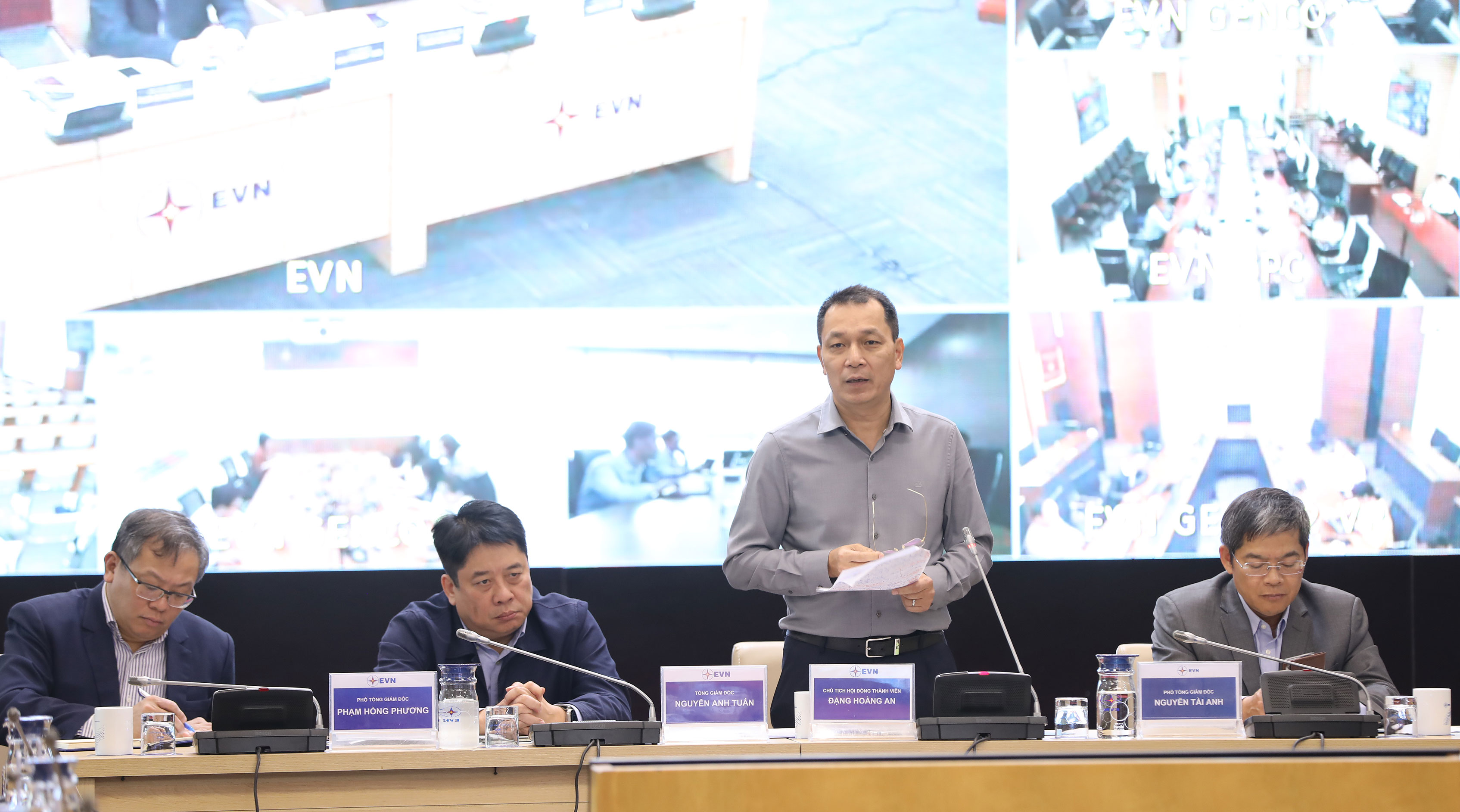
EVN Chairman Dang Hoang An (standing) urges procurement personnel across EVN to aim to become ‘smart buyers.’
Accelerating procurement digitalization and maximizing artificial intelligence use
Chairman of EVN Board of Directors Dang Hoang An outlined seven urgent tasks that the nine corporations and member units must implement immediately.
First, the nine corporations must urgently issue their internal procurement regulations based on the EVN Procurement Regulation Framework recently issued by the EVN Board of Directors under Decision No. 30/QD-HDTV dated February 12, 2026, with a completion deadline of March 31, 2026.
Second, internal regulations should be updated flexibly, avoiding rigid rules, regularly reviewed and revised to suit the specific characteristics of each project and bidding package while keeping pace with market developments.
Third, efforts should be accelerated to complete the EVN-eP dedicated e-procurement ecosystem, with the goal of finishing by June 2026, aiming toward 100% online bidding.
Fourth, together with EVN-eP, a contractor quality evaluation system must be urgently developed to provide a solid basis for eliminating underperforming contractors. In this process, artificial intelligence (AI) should be fully leveraged to improve accuracy in aggregating information, reviewing bid eligibility requirements, and assessing contractor capacity. This will help minimize potential complications while ensuring legal compliance and shortening processing time.
Fifth, resources should continue to be allocated to improving the quality of human resources involved in procurement, including expertise related to domestic and international procurement regulations as well as professional ethics.
Sixth, the role of Party committees and inspection bodies in supervision and oversight must be strengthened under the principle of zero tolerance and with the highest determination to combat corruption and waste. In particular, AI capabilities should be utilized to review data and identify potential “hotspots” that require inspection and monitoring.
Seventh, the responsibility of leaders must be emphasized in ensuring transparency and preventing corruption and waste. Leaders are also responsible for directing inspection and supervision activities, guiding implementation, and issuing institutional regulations. Party committees of all units must adopt specialized resolutions on preventing corruption and waste in procurement activities.
Enhancing survey, forecasting capacity, and accountability
According to EVN President and CEO Nguyen Anh Tuan, the team responsible for procurement across EVN must enhance both professional capacity and accountability. Units must prepare adequate legal documentation and clear legal bases in accordance with regulations to ensure transparent explanations to inspection and auditing authorities, as well as when responding to contractors.
Regarding the preparation of bidding documents, EVN leadership emphasized that units should establish contract conditions based on the practical implementation capacity of both parties, ensuring feasibility when signing economic contracts. At the same time, factors such as exchange rate conversion timing and mechanisms for applying fixed unit prices should be carefully considered.
In terms of procurement technical infrastructure, the EVN CEO requested the EVN Procurement Management Board and relevant units to concentrate resources on completing and putting the EVN-eP system into operation no later than the end of June 2026, in accordance with the directive of the Chairman of EVN’s Board of Directors. During the implementation process, any difficulties or obstacles should be reported promptly so that the Group’s leadership can provide timely support and solutions.
Contractor management through data and “Digital evidence”
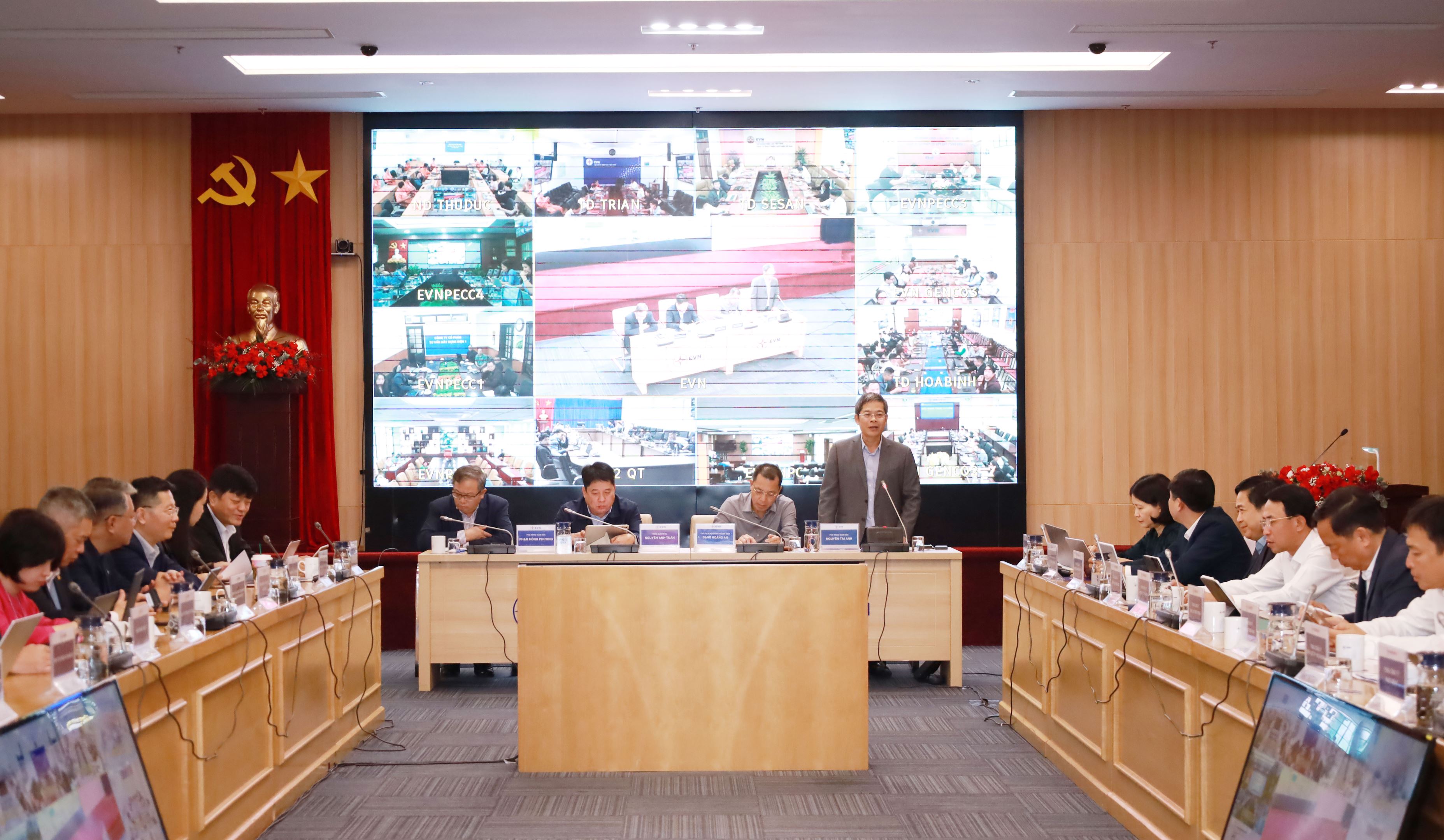
EVN’s Procurement Conference held on March 11, 2026.
EVN Vice President Nguyen Tai Anh introduced the “Three-Party Triangle” project management model, consisting of: Smart Investor – Smart Consultant – Smart Contractor. The success of a project depends on the strong coordination among these three stakeholders. The selection process should not only focus on choosing consulting firms or contractors but must also clearly identify the key individuals responsible who possess sufficient capability.
Meanwhile, EVN Vice President Pham Hong Phuong called on units to fundamentally innovate the method of evaluating contractor capacity, shifting from qualitative assessments to a quantitative system of criteria and scoring in order to enhance transparency and effectiveness. Accordingly, contractor quality evaluation should be clearly specified in the bidding documents, including a defined framework of criteria and scoring scales. The evaluation results after contract completion will be updated to EVN’s procurement system, serving as reference data for subsequent bidding packages.
Translator: Thu Hường
Share