Expanding international capital channels
According to EVNNPT, the figure of approximately 220 projects, with a total expected loan capital of VND 204,000 billion, does not include high-voltage direct current (HVDC) transmission projects or projects that alleviate nuclear power capacity constraints. To meet this need, EVNNPT is expanding its funding channels, including ODA loans, international commercial loans, preferential loans from the Vietnam Development Bank, and domestic commercial loans. Combining multiple funding sources allows the Corporation to be more proactive in selecting financing options suitable to the nature, scale, and progress of each project.
Domestic loans offer advantages in terms of accessibility, relatively quick appraisal, and loan agreement signing. Domestic credit institutions also have a good understanding of EVNNPT's operations, financial situation, and investment needs. This is a suitable source of capital for projects requiring urgent implementation or short-term disbursement. However, access to domestic credit is being affected by credit limits as stipulated in the Law on Credit Institutions. According to the roadmap, becoming effective from July 1, 2024, the credit limit for a single customer and a group of customers will be gradually reduced. In the context of rapidly increasing investment needs, EVNNPT's borrowing capacity at some domestic banks is therefore also shrinking.
Given this reality, international capital is playing an increasingly important role in EVNNPT's financial strategy. Foreign loans are typically large-scale, long-term, and have grace periods suitable to the specific characteristics of power transmission projects. To date, EVNNPT has signed direct loan agreements with the French Agency for Development (AFD) for three power grid projects, totaling 67 million EUR. The corporation also received approval from the Prime Minister for a proposed REACH 1 loan for the Krong Buk – Tay Ninh 1 500kV transmission line project, valued at approximately EUR 270.3 million and USD 48.7 million.
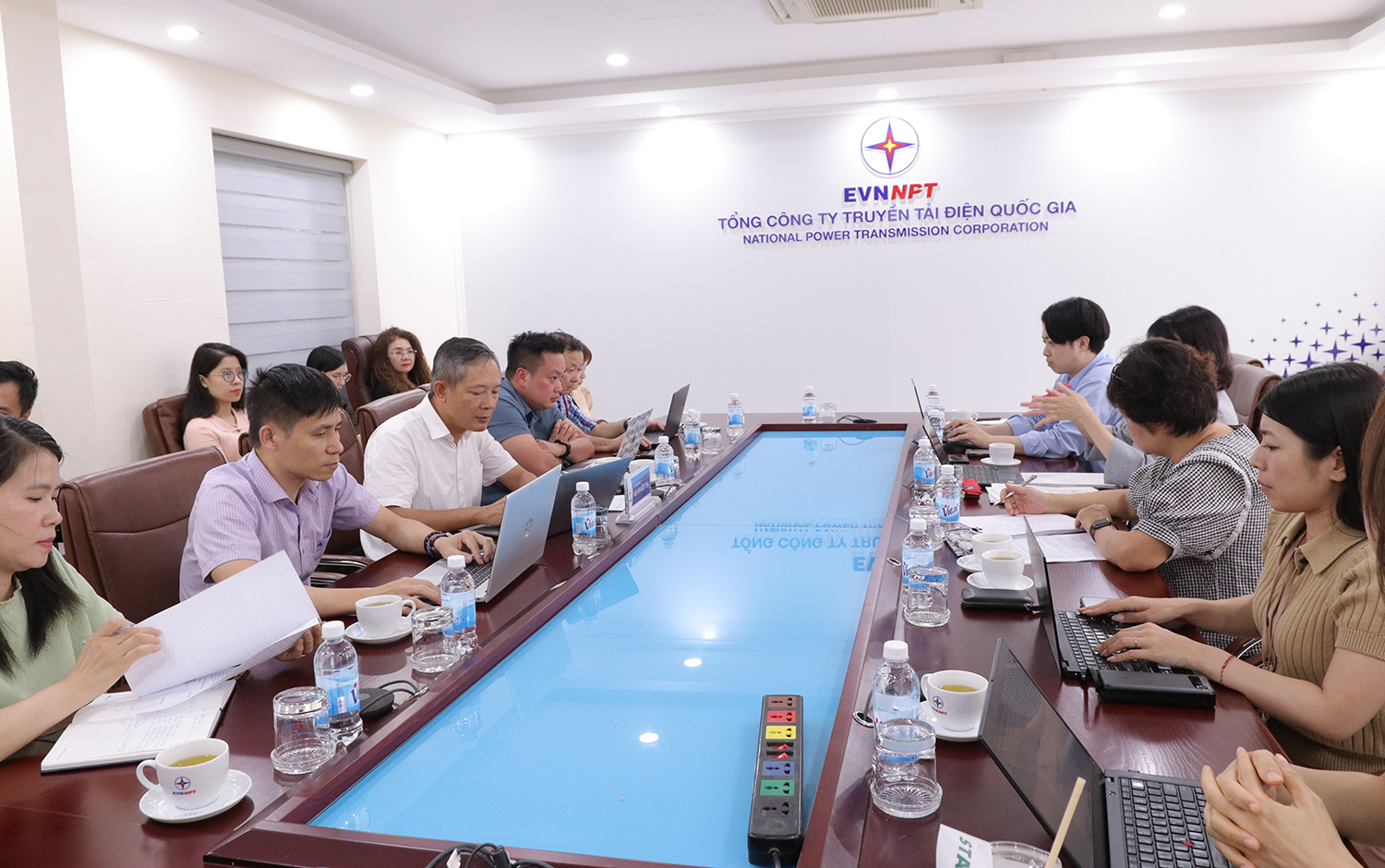
Recently, EVNNPT works with JICA (Japan) to discuss possibility of arranging financing for power transmission projects.
EVNNPT is proposing to borrow €461 million from the Asian Infrastructure Investment Bank (AIIB) and US$390 million from the Asian Development Bank (ADB). Simultaneously, the Corporation continues to engage in discussions and seek cooperation opportunities with various financial institutions such as KfW, EIB, JICA, JBIC, AFD, BNP Paribas, Standard Chartered, HSBC, Taipei Fubon, and Citibank.
Compared to many domestic commercial loans, international capital offers advantages in terms of scale, duration, and financial conditions. However, the access process is often longer due to multiple stages of assessment, approval, negotiation, and documentation. Donors also impose high demands regarding the environmental, social, governance, and transparency aspects of the project.
For ODA funding, the conditions for domestic relending may be higher than the original conditions provided to Vietnam by the donor. Meanwhile, direct loans without government guarantees often come with requirements for creditworthiness and the borrower's financial capacity. This requires EVNNPT to consider the overall balance between costs, loan terms, project progress, and the capacity to duly meet the given conditions of each donor.
Preparing project to attract investment
It is recognized by EVNNPT that the selection of borrowing methods and financial partners must be considered based on multiple factors, rather than simply comparing interest rates. The urgency of the project, the timeframe for appraisal by the lender, the domestic approval process, environmental and social requirements, the loan term, and the method of credit guarantee all need to be calculated from the outset.
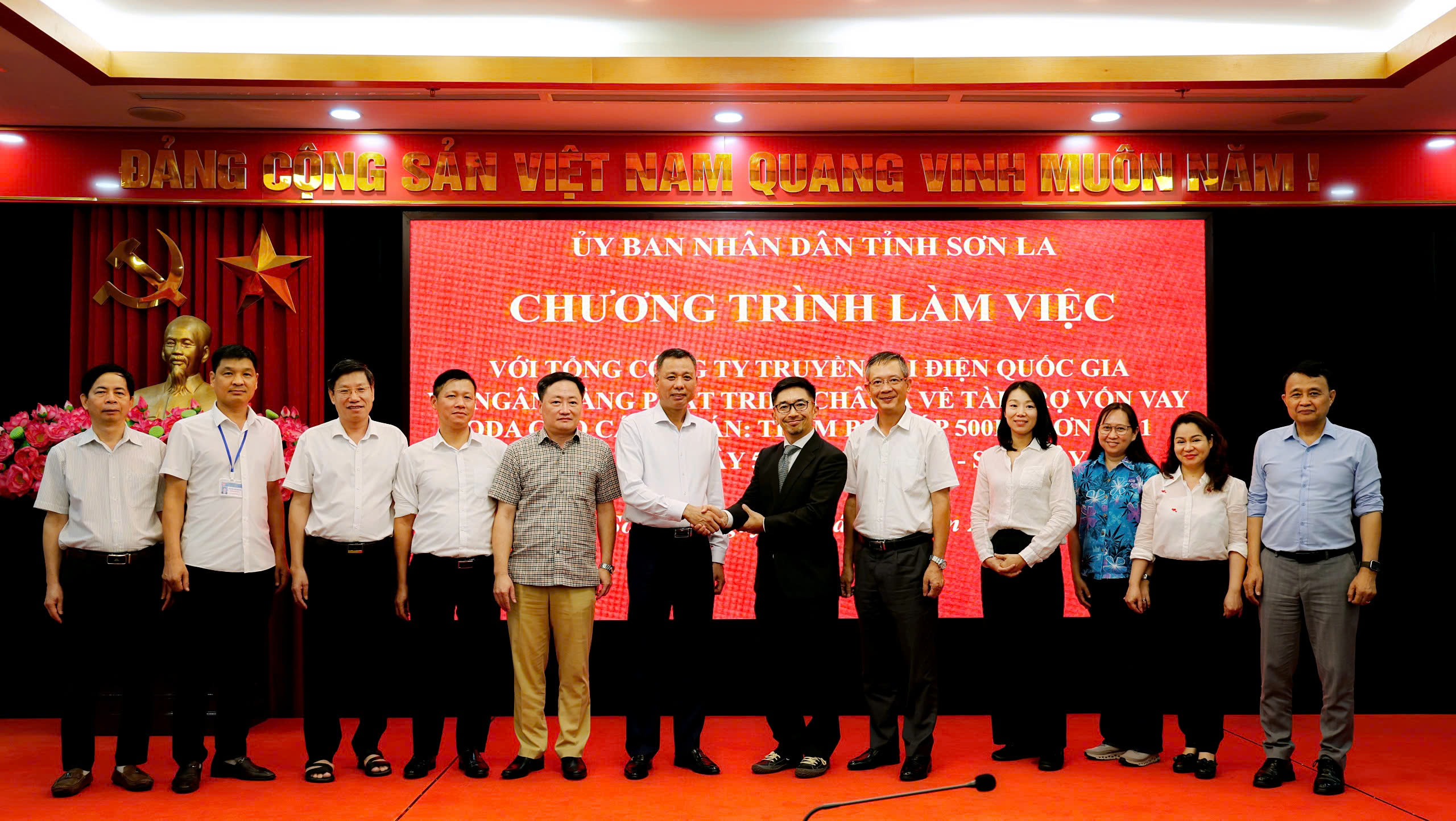
EVNNPT and Asian Development Bank (ADB) working with Son La Provincial People's Committee to promote implementation of two key 500kV power transmission projects.
The list of proposed loan projects must include those with a high level of readiness. Projects must be included in the planning, have approved investment policies in the case of direct loans, and proactively prepare documentation regarding environmental, social, land, and site clearance aspects.
Early completion of legal procedures helps shorten the appraisal process and prevents situations where funding has been secured, but the project is not yet eligible for implementation. For foreign loans not guaranteed by the Government, EVNNPT must also register with the State Bank of Vietnam in accordance with regulations.
Regarding ODA funding, EVNNPT believes it is necessary to promptly submit to competent authorities for consideration and identification of priority state-owned investment projects. This will provide a basis for projects to be eligible for a relending financing mechanism that partially bears the credit risk and benefits from lower relending risk provision costs. This will reduce the project's capital costs, contributing to improved investment efficiency and helping to alleviate pressure on electricity prices.
Another point noted by EVNNPT is the choice of loan currency. According to data analyzed by the Corporation, the current interest rate for a 6-month term Euribor is approximately 3% per year, lower than the approximately 4.2% per year for Term SOFR loans of the same term. The interest margin for loans in EUR is also lower than that for USD.
Over the past 15 years, the average depreciation rate of the EUR/VND exchange rate has been approximately 1.1% per year, while the USD/VND rate has been around 2.1% per year. This is important reference information when EVNNPT selects the loan currency, calculates the cost of capital, and controls exchange rate risk throughout the loan period.
The capital demand of approximately VND 204 trillion by 2030 shows that financial mobilization has become one of the important tasks, directly linked to the capacity of implementing power transmission projects. Besides expanding relationships with banks and financial institutions, EVNNPT must simultaneously improve the quality of investment preparation, complete documentation, and strengthen coordination with state management agencies.
Effectively mobilizing various sources of capital will create more room for EVNNPT to implement projects according to the revised Power Development Plan VIII, enhance transmission capacity, and meet the development requirements of the power system. At the same time, this will serve as a basis for the Corporation to gradually build a financial foundation commensurate with the increasingly large scale of investment in the national power transmission grid.
Translator: Nguyễn Thị Lan Anh
Share