Under the pressure of growing electricity demand and the stringent requirements to reduce greenhouse gas emissions, Vietnam's power system is entering a profound transition. According to Power Development Plan VIII (PDP8), renewable energy, primarily wind and solar power, will account for a large proportion of the power generation mix by 2030.
However, these are all weather-dependent energy sources characterized by high variability. When weather conditions change abruptly, power generation output can drop very rapidly within a short period, creating immense pressure on the national power system dispatch operations.
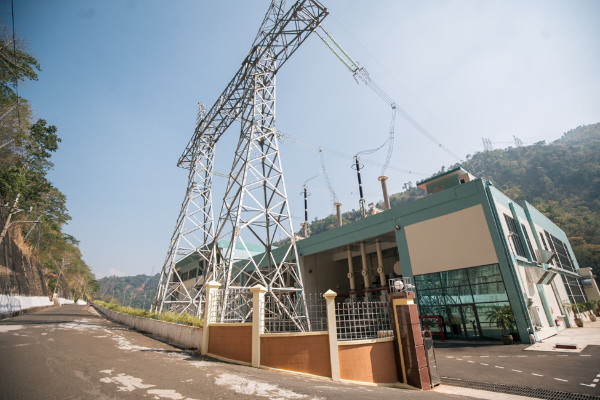
The addition of new hydropower expansion units supports a significant reduction in greenhouse gas emissions, estimated at up to 200,000 tons of CO2 per year, depending on the type of energy replaced.
Investing in hydropower expansion within energy transition
In this context, flexible power sources capable of quick load following, such as hydropower, are considered particularly critical "balancers." Compared to coal-fired power or other baseload sources, hydropower can start up rapidly and alter its output flexibly within a short timeframe to compensate for shortages from renewable energy sources.
This is also why investing in the expansion of existing hydropower plants is viewed as a strategic solution in the current energy transition.
Hydropower expansion needs to be deployed within a comprehensive green energy strategy, harmoniously combining wind, solar, energy storage, and grid infrastructure upgrades. Accordingly, the completion and commissioning of the Ialy Hydropower Expansion Project serve as further proof of the role of hydropower expansion in not only adding a flexible power source to the system but also optimizing existing infrastructure, reducing the pressure of new investments, and mitigating environmental impacts.
Ialy HPP Expansion and the equation for mobilizing international green resources
The Ialy Hydropower Plant has held a vital role in supplying electricity to the national power system for many years. In 2021, instead of building completely new infrastructure, the Ialy HPP selected an expansion solution, maximizing the old infrastructure to improve the exploitation efficiency of water resources.
The plant has installed two additional units with a total capacity of 360 MW, raising the entire project's scale to 1,080 MW. This upgrade has made Ialy one of the four largest hydropower plants in the country, contributing an additional average generation output of approximately 233 million kWh per year from its COD time at the end of 2024. Several notable lessons can be drawn from the Ialy Hydropower Expansion Project:
First, the project demonstrates that investment costs are substantially lower while minimizing impacts on the environment and the lives of local residents, because the entire expansion was implemented by leveraging the existing reservoir system, energy lines, and transmission infrastructure.
Second, the expansion of Ialy HPP has helped reduce the load on existing units, thereby extending equipment lifespan, improving operational efficiency, and optimizing long-term maintenance costs. This advantage becomes even clearer as the project fully utilizes the existing management apparatus, expert workforce, and infrastructure of the operating entity, thus optimizing labor productivity and creating sustainable value for the new project.
Third, a prominent highlight of the Ialy HPP Expansion project is that it clearly proves the effectiveness of green financial cooperation mechanisms with European partners along the sustainable energy transition pathway.
The project has received non-refundable aid focusing on technical assistance and capacity building from the European Union (EU), along with a long-term preferential loan worth 74.7 million Euros from the French Development Agency (AFD). International partners have not only provided financial support but also accompanied the project in enhancing governance capacity, transferring safety-environmental standards, and standardizing the HSE (Health - Safety - Environment) system, contributing to standardizing operational processes according to international benchmarks.
Fourth, regarding environmental efficiency, the additional capacity from the Ialy HPP Expansion is assessed to contribute to a significant reduction in greenhouse gas emissions by replacing a portion of fossil-fuel power. It is estimated that the extra clean electricity from the project can help reduce between 100,000 and 200,000 tons of CO₂ per year, depending on the mix of the replaced power sources in the system.
Fifth, the lesson of combining the internal strength of the power sector with the European Union as a Comprehensive Strategic Partner helps Vietnam effectively exploit natural resources. This contributes to building a flexible energy system that stands ready for green development goals and global integration.
The success of the Ialy HPP Expansion is not only meaningful to the power sector alone but also shows a new approach to energy development in Vietnam: instead of continuing to expand horizontally with large-scale new constructions, optimizing existing energy assets can yield higher economic, environmental, and operational efficiency in many cases.
Translator: Vân Ly
Share