In the final days of May, Northern and North Central Vietnam experienced an exceptionally severe heatwave, with temperatures exceeding 40°C in many localities. According to the National Power System and Market Operation Company Limited (NSMO), this was the most intense heatwave recorded in more than a decade.
Extreme weather conditions have led to a sharp increase in electricity demand. The nationwide peak load reached 58,103MW, while the highest daily electricity consumption amounted to 1.217 billion kWh. In Northern Vietnam alone, peak demand approached 30,000MW, representing an increase of approximately 27% compared to the same period in 2025. The electricity consumption record set in 2025 was surpassed as early as the end of May 2026, indicating that this year’s dry season has been even more extreme than the previous one.
As prolonged heatwaves are expected to continue, the development of distributed energy resources, particularly self-produced and self-consumed rooftop solar power systems, is increasingly viewed as a highly promising solution.
Practical benefits demonstrated
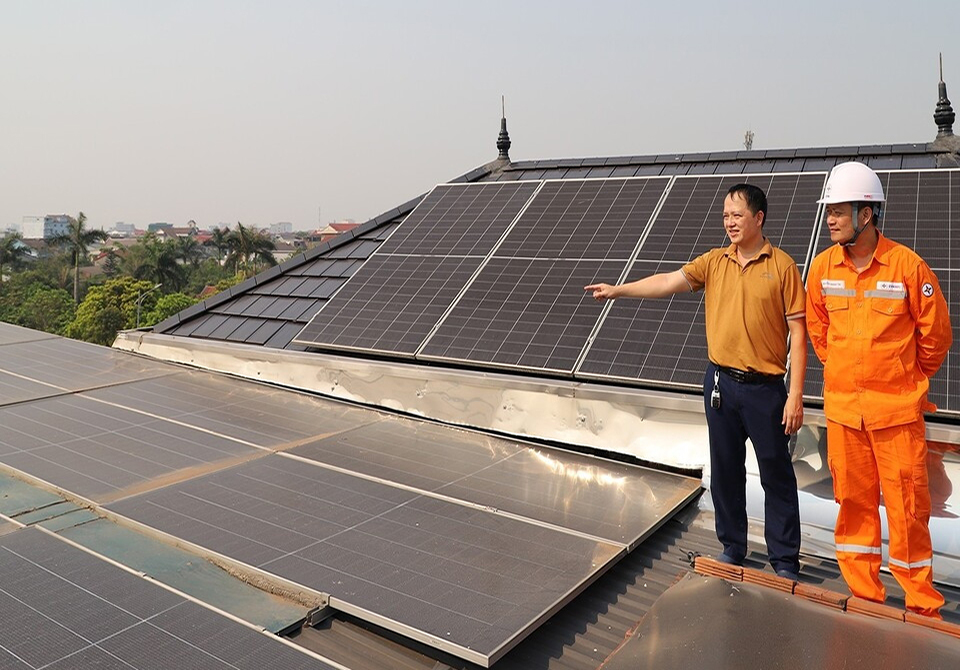
Rooftop solar power system installed at home of Mr. Nguyen Van Thach in Thanh Sen Ward, Ha Tinh Province. Photo: Cao Thao
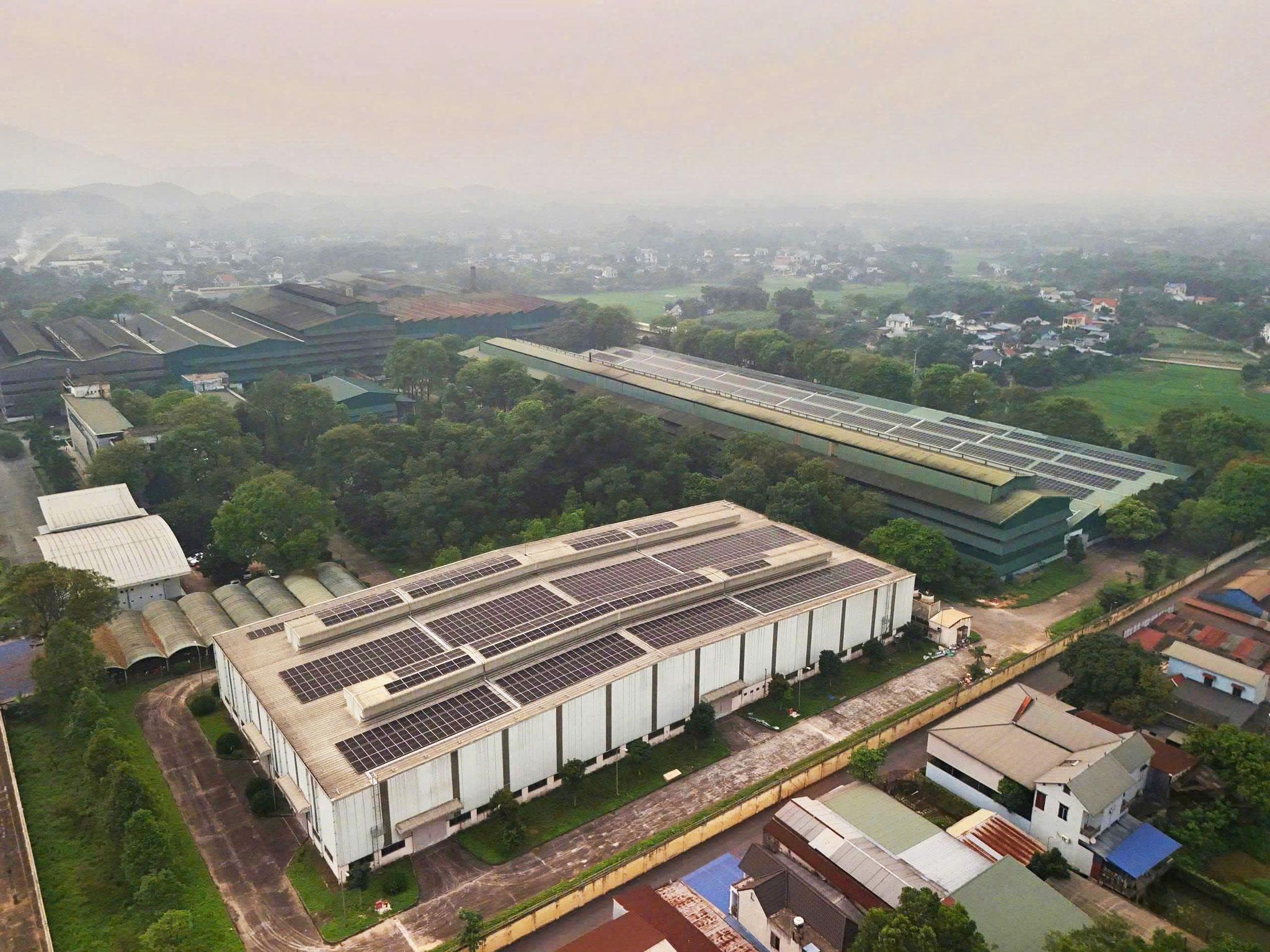
Rooftop solar power system operated by DISOCO. Photo source: Thai Nguyen Power Company
From an expert perspective, Mr. Ha Dang Son, Chairman of the Center for Energy and Green Growth Research, noted that installing solar panels not only helps reduce electricity costs but also blocks direct solar radiation from reaching rooftops. As a result, roof surface temperatures can be reduced by approximately 2–3°C, lowering the demand for air conditioning during periods of extreme heat.
Substantial Room for Rooftop Solar Expansion
As part of efforts to implement the Prime Minister’s Directive No. 10/CT-TTg on strengthening electricity conservation and promoting rooftop solar power development, EVN is proactively disseminating new mechanisms and policies to customers. The Group is also enhancing online support tools to help households and businesses access information and complete investment procedures more conveniently.
Internally, EVN has taken a leading role in deploying rooftop solar systems. To date, rooftop solar installations have been completed at most EVN office buildings. The Group is continuing to review suitable locations for further expansion in the coming years.
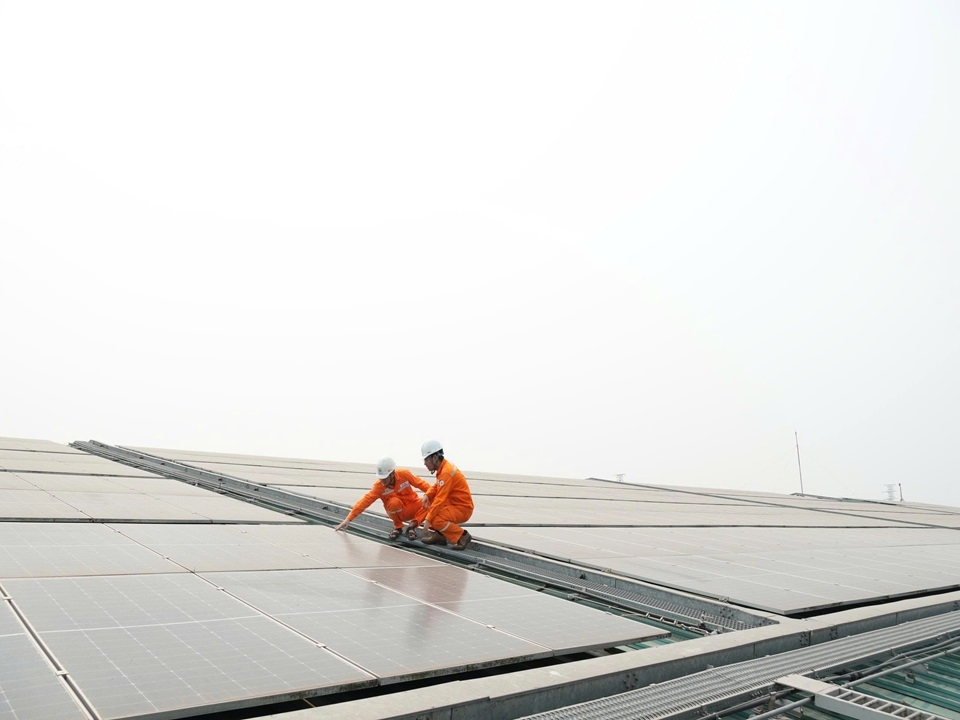
In first three months of 2026, more than 2,200 new customers across Northern Vietnam installed rooftop solar power systems. Photo source: EVNNPC
Across EVN’s member power corporations, initiatives to promote rooftop solar power are being implemented on a broad scale. These efforts are incorporated into performance targets and assigned to individual member units. In Northern Vietnam—the region experiencing the highest electricity demand growth in the country—the Northern Power Corporation (EVNNPC) has been one of the leading organizations in raising awareness and supporting customers in adopting this clean energy solution.
According to EVNNPC, by the end of the first quarter of 2026, a total of 4,622 customers across 17 northern provinces and cities had installed rooftop solar power systems, with a combined capacity of more than 611MW. Of these, 2,201 were new customers, contributing an additional 141.5MW of installed capacity.
Mr. Do Van Nam, Member of the Board of Directors of EVNNPC, stated that the corporation’s service area currently includes approximately 9 million household electricity customers, as well as millions of square meters of rooftop space belonging to around 2 million businesses. This demonstrates the enormous untapped potential for further rooftop solar power development in Northern Vietnam.
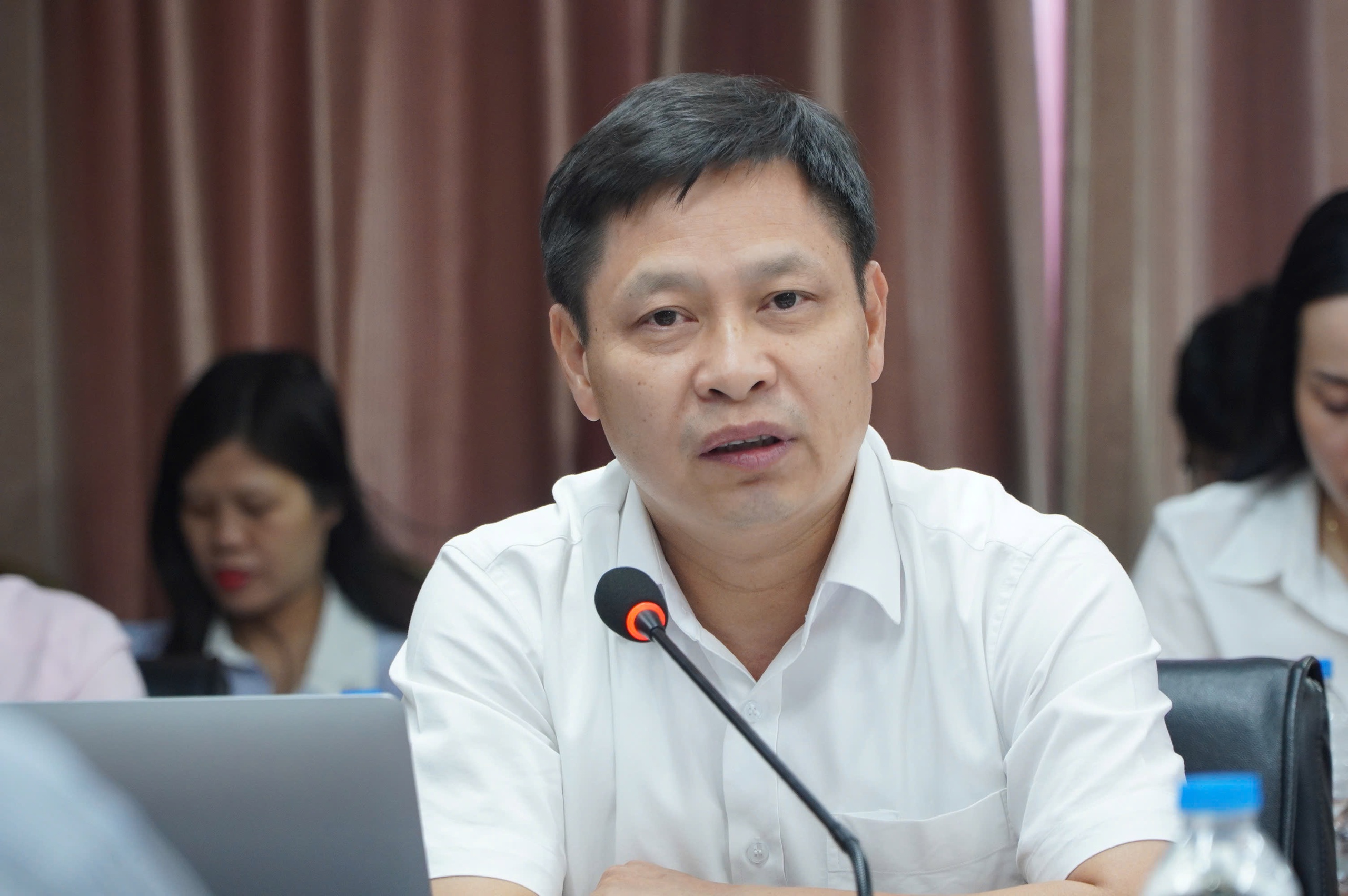
Mr. Do Van Nam, Member of EVNNPC Board of Directors, stated that potential for rooftop solar power development across Northern Vietnam remains enormous. Photo source: Xay Dung Newspaper
Mr. Nam explained that if only 50% of the region’s 9 million households participated in electricity conservation efforts and each household reduced consumption by approximately 20 watts during peak hours, the power system could lower demand by around 90MW. Similarly, if business customers adjusted their electricity usage and reduced their load by approximately 300 watts each, the total demand reduction could reach as much as 800MW.
According to Mr. Bui Quoc Hung, Deputy Director General of the Electricity Authority under the Ministry of Industry and Trade (MOIT), the Ministry is currently submitting to the Government a draft decree amending Decree No. 58/2025/ND-CP on self-produced and self-consumed rooftop solar power in order to better align with practical implementation needs. In addition, the Electricity Law assigns provincial People’s Councils the responsibility of developing policies to encourage rooftop solar power development in their respective localities. Recently, the MOIT also issued a Circular on the electricity market, which provides guidance on the implementation of the Direct Power Purchase Agreement (DPPA) mechanism.
With coordinated efforts from central and local authorities, together with strong support from the power sector, the development of rooftop solar power is not only a solution to address growing electricity demand pressures but also an important step in the energy transition process. Effectively utilizing millions of rooftops on residential buildings, offices, and factories will help create a green electricity source directly at the point of consumption, enhance the resilience and reserve capacity of the power system, and contribute to the goal of ensuring national energy security.
Translator: Vân Ly
Share