Da Nang accelerates renewable energy development for 2026–2030 period
12:18, 25/08/2026
During the 2026–2030 period, Da Nang aims to develop up to 373 MW of small hydropower, 300 MW of pumped-storage hydropower, 100 MW of utility-scale solar power, 100 MW of rooftop solar power, 100 MW of onshore and nearshore wind power, and 58 MW of biomass power. Simultaneously, the city will continue to implement waste-to-energy projects in accordance with plans approved by competent authorities.
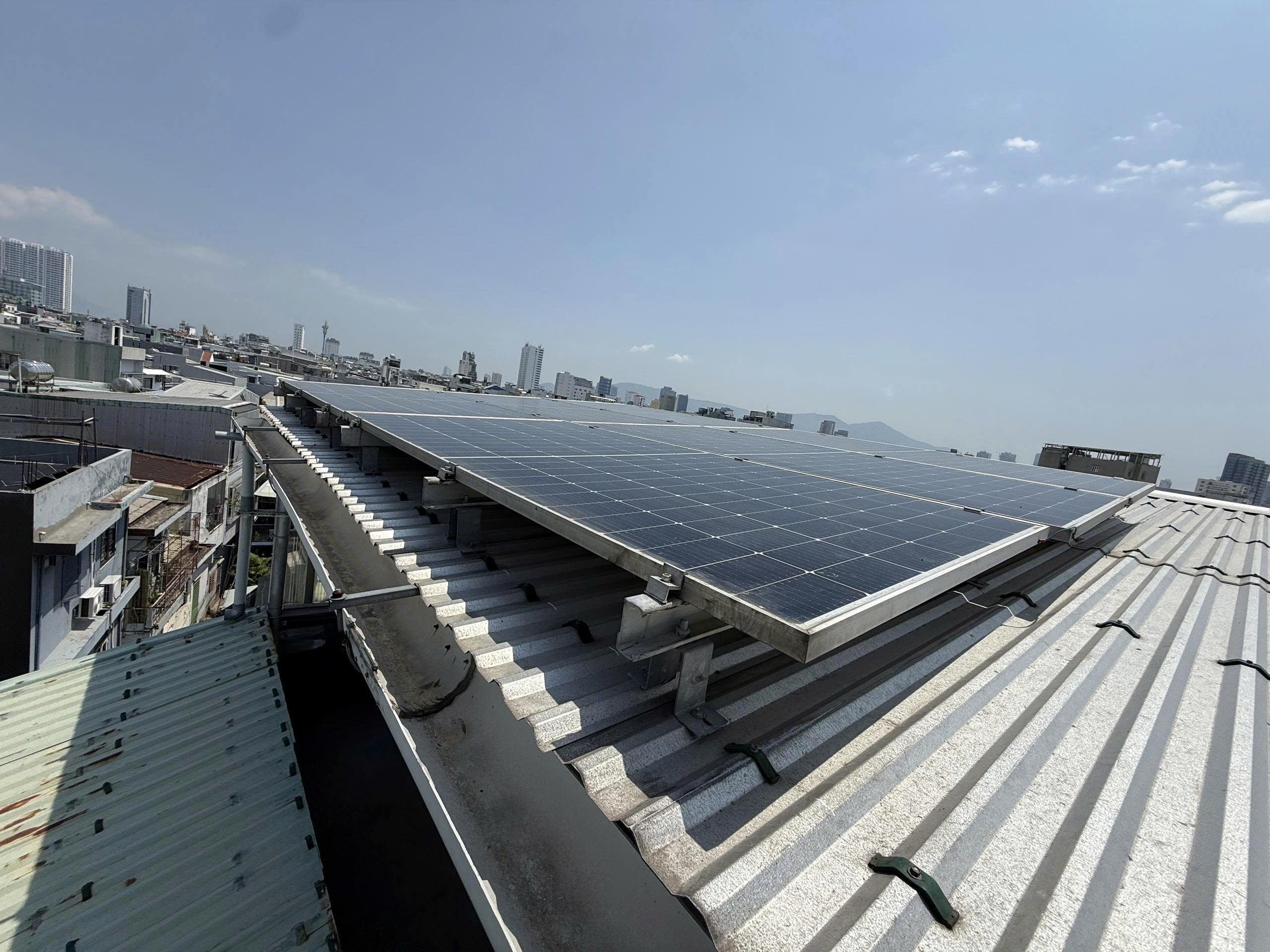
Da Nang encourages development of self-produced, self-consumed rooftop solar power. Photo credit: Da Nang Power Company (PC Da Nang)
According to Plan No.417/KH-UBND on renewable energy development in the city for the 2026-2030 period recently issued by the Da Nang City People's Committee, the city will focus on developing renewable energy sources in line with its local potential and advantages, effectively harnessing new energy sources, reducing greenhouse gas emissions, protecting the environment, and meeting electricity demand for socio-economic development in the coming period.
Regarding solar power, development strategies will align with the power grid's absorption capacity, encouraging self-produced, self-consumed rooftop solar power, as well as floating solar power and ground-mounted solar power projects in accordance with approved plans. At the same time, the city will research support mechanisms for developing rooftop solar systems integrated with energy storage for households and other suitable entities.
In addition, the city will promote direct power purchase arrangements between renewable energy generators and large electricity consumers, prioritizing implementation in industrial parks, industrial clusters, economic zones, free trade zones, and production and business facilities with high electricity demand.
By 2030, Da Nang aims to have rooftop solar systems for self-generation and self-consumption installed at around 50% of government and public agency offices and 50% of households, or, on average, around 10% of government and public agency offices and 10% of households installing such systems each year during the 2026–2030 period.
Translator: Hải Yến
Share